
Overlay
Scam guide

Investment scams

Top tips to avoid investment scams

An investment scam is when someone tricks you into giving them money for fake investments. They promise money back with little or no risk. In reality, they take your money and you can end up with nothing.

Here are some top tips to keep safe:

  1. Don't be rushed: scammers may pressure or rush you to make quick decisions. Take your time to make safe choices.
  2. Be wary of high returns: if an investment promises much higher returns than usual, it's likely a scam. High returns often mean high risks. Look up historical average returns for the specific investment you are considering.
  3. Do your research: check out the company or person offering the investment. Check their background and look for reviews or complaints online.
  4. Use the FCA’s ‘Firm Checker’ to see if your investment is authorised and regulated: quick checks on their ScamSmart investor page can help you spot scams. Unregulated investments carry a higher risk and offer no protection from Financial Service Compensation Scheme (FSCS). You may be at greater risk of losing all your money. 
  5. Speak to a professional: before you invest, speak to a registered financial adviser. You can check the FCA register of individuals and firms to verify their details. Do not trust someone who contacts you unexpectedly by phone, email or message. They may be scammer pretending to be a genuine adviser.

Even well-meaning friends can pass on investment tips without realising they’re caught in a scam. This video shows why taking a moment to check can make all the difference. 

Once you're done, scroll down to learn more about the different types of investment scams and how to spot one.

Signs of investment scams

Scammers use many tactics to trick you.  Contact us, using the number on the back of your bank card if you think you've been caught out by any of these tactics:

  • Out of the blue offers: be wary of investments you did not ask for, especially from phone calls, emails, or social media.
  • Secrecy and complexity: if the investment is hard to understand or the person is secretive, it’s a warning sign.
  • Guaranteed returns: no investment can promise a return. "Risk-free" investments are usually scams.
  • Unlicensed sellers: check if the seller is licensed. Illegal sellers are often scams. Check the FCA list of unauthorised businesses which is updated regularly.
  • Deepfakes: scammers can use artificial intelligence (AI) to make fake videos of celebrities promoting their investments. Check their official website or social media account to verify. You can learn more about how criminals may use AI in our AI-enabled scam guide.

Scam watch: "Pump and Dump" schemes are on the rise

Other common investment scams

Other guides to keep your money secure

Email scams

Scams that come to your inbox designed to look real.

Information Message

Holiday scams

Fraudsters use fake holiday adverts to trick you into booking a holiday with them that doesn't exist. 

Information Message

Impersonation scams

These type of scams involve criminals pretending to be a trusted organisation such as a bank, the police, a government department or a service provider.

Information Message

Social media scams

Scammers can use social media to steal your details, promote fake products and services or contact you to trick you into sending them money.

Information Message
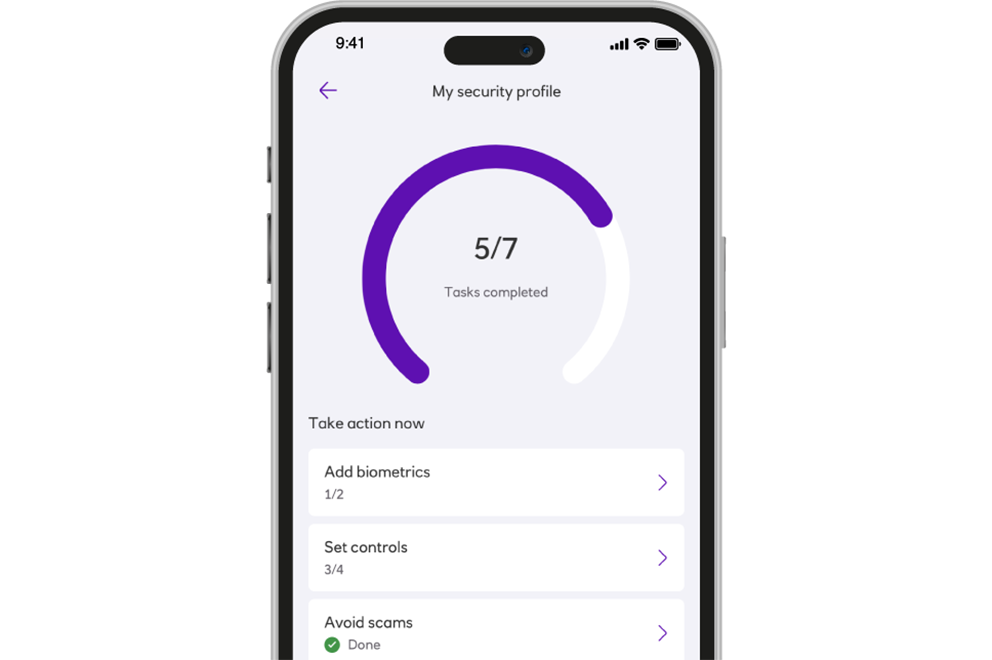
See why My Security Profile has over 11 million visits

With so many visits to My Security Profile, it's clear that people like you are putting their security first.

Personalised steps to protect yourself are just a few taps away.

Ready to experience it for yourself?